Eco-Welding: The Industrial Imperative for Sustainable Metallurgical Practices
Eco-Welding is changing how industries work sustainably. Discover how on Sparevillage – your B2B hub for green innovation.
Article Content
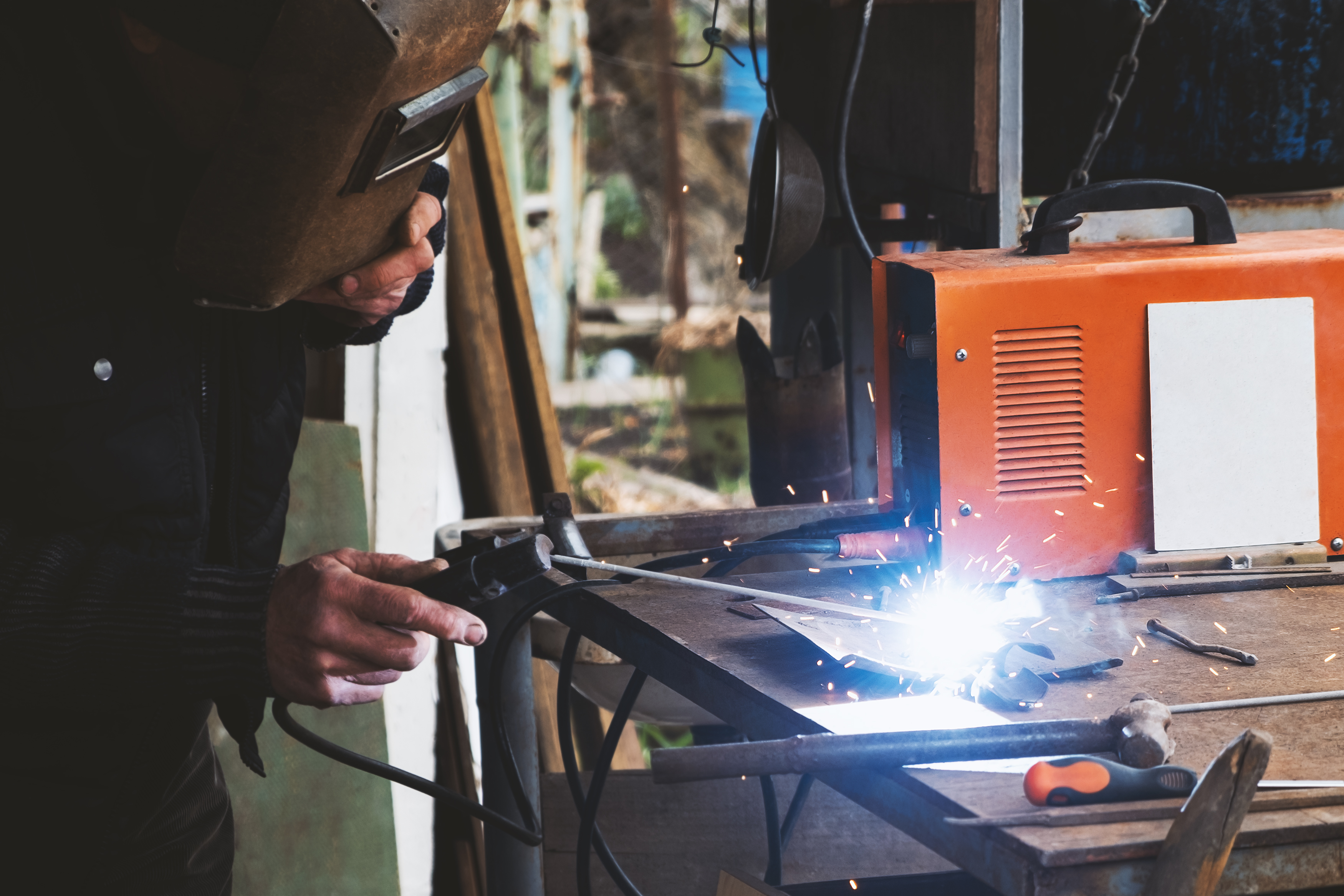
Historically characterized by high energy consumption and significant emissions, the welding sector is increasingly confronting its environmental liabilities. Eco-welding emerges as a technologically sophisticated and ethically grounded response to these challenges, harmonizing industrial productivity with environmental stewardship. The impetus for this transformation is multifaceted, encompassing global regulatory frameworks, corporate ESG commitments, and the exigencies of long-term operational efficiency.
This article provides a comprehensive analysis of the eco-welding movement, highlighting its methodological innovations, material advancements, and systemic implications for sustainable manufacturing.
Conceptualizing Eco-Welding
Eco-welding encapsulates a suite of metallurgical procedures engineered to mitigate adverse environmental effects while maintaining structural integrity and productivity. Key operational elements include:
- Deployment of high-efficiency welding systems
- Substitution of hazardous consumables with environmentally benign alternatives
- Implementation of closed-loop resource systems
- Integration of life cycle assessment (LCA) protocols in project planning
The overarching objective is to redefine welding as a process compatible with circular economy principles.
The Imperative for Sustainable Welding
The ascendancy of eco-welding is catalyzed by:
- Transnational environmental accords and climate regulations
- Increasingly rigorous corporate sustainability audits
- Market-driven incentives tied to energy conservation and waste minimization
- A paradigm shift in consumer procurement behavior favoring green supply chains
Given the energy-intensive nature of conventional welding, its ecological optimization is non-negotiable for future-ready manufacturing.
Inverter Technology as a Green Enabler
A pivotal technological advancement in this domain is the shift from transformer-based to inverter-based welding machines, which deliver:
- Superior power factor correction and voltage regulation
- Enhanced arc stability and thermal efficiency
- Operational features like pulsed current modulation, reducing thermal distortion
These systems are critical to minimizing energy throughput while maintaining metallurgical precision.
Selection of Low-Impact Welding Techniques
Welding methodologies exhibit differential ecological footprints. Preferred techniques include:
- GTAW (Gas Tungsten Arc Welding) and GMAW (Gas Metal Arc Welding) optimized with eco-shielding gases
- Laser Beam Welding (LBW), offering micron-scale precision with minimal spatter
- Friction Stir Welding (FSW), notable for its solid-state process and reduced fume output
Each technique represents a tactical alignment of technical requirements with sustainability metrics.
Greener Consumables in Modern Welding
Welding consumables are being reformulated to align with ecotoxicological standards. Innovations include:
- Electrodes and wires formulated with low volatile organic compounds (VOCs)
- Recyclable flux cores engineered for closed-loop use
- Development of biodegradable anti-spatter agents
These advancements simultaneously reduce occupational health hazards and material toxicity.
Rationalizing Shielding Gas Utilization
Shielding gases remain indispensable, yet their environmental management is critical. Best practices encompass:
- Adoption of digital mass flow controllers to calibrate gas delivery
- Demand-driven gas flow systems to eliminate venting inefficiencies
- Reusable gas containers to offset single-use emissions
Such innovations reduce both ecological burden and total cost of ownership.
Waste Minimization and Resource Recovery
Advanced eco-welding mandates systemic waste management, facilitated by:
- Scrap recovery protocols and downstream recycling integration
- Utilization of computer-aided nesting software for optimized raw material usage
- Just-in-time inventory systems to obviate excess stock and associated wastage
These measures embed sustainability into the fabric of the production cycle.
Architectural Sustainability in Welding Facilities
Facility design plays a strategic role in sustainability outcomes. High-performing eco-welding spaces include:
- Photovoltaic energy systems to displace grid dependency
- Advanced air purification systems to control fume dispersion
- Ergonomic lighting and HVAC calibrated for energy efficiency
- Green-certified cleaning agents that conform to environmental health regulations
The synthesis of ecological architecture and welding technology enhances operational resilience.
Workforce Development and Ecological Competency
The diffusion of sustainable practices depends on skilled human capital. Curriculum enhancements include:
- Eco-literacy modules within vocational and engineering programs
- Instruction on energy analytics and resource optimization
- Certification in green welding standards, such as ISO 14001-compliant procedures
Educational investments are foundational to embedding sustainability within industrial cultures.
Digitalization and Automation for Sustainable Integration
Smart technologies underpin scalable eco-welding initiatives. Essential tools involve:
- IoT-integrated welding platforms for real-time performance diagnostics
- AI-driven predictive maintenance for lifecycle extension
- Collaborative robotic systems (cobots) to reduce rework and optimize throughput
Together, these systems establish an intelligent infrastructure for resource-conscious operations.
Strategic and Economic Value of Eco-Welding
Firms leveraging eco-welding methodologies accrue tangible and intangible benefits:
- Reduction in energy costs and regulatory liabilities
- Increased access to green procurement markets
- Reinforcement of stakeholder trust and brand equity
- Improved risk management via compliance with evolving legislation
Sustainability thus emerges not as an ethical appendage but as a core strategic imperative.
Conclusion:
Eco-welding constitutes a paradigm shift in industrial fabrication, reconciling metallurgical rigor with planetary boundaries. The integration of next-generation technologies, ecologically sound consumables, smart automation, and architectural redesign positions the welding industry at the forefront of sustainable innovation.
As future engineers and decision-makers, today’s college students must recognize the imperative of welding not just with precision, but with purpose. The future of manufacturing will be determined not only by strength and endurance, but by ecological intelligence.
At SpareVillage, we actively support this transformation by supplying eco-optimized industrial products, enabling enterprises to pursue high-performance welding with a reduced environmental footprint.