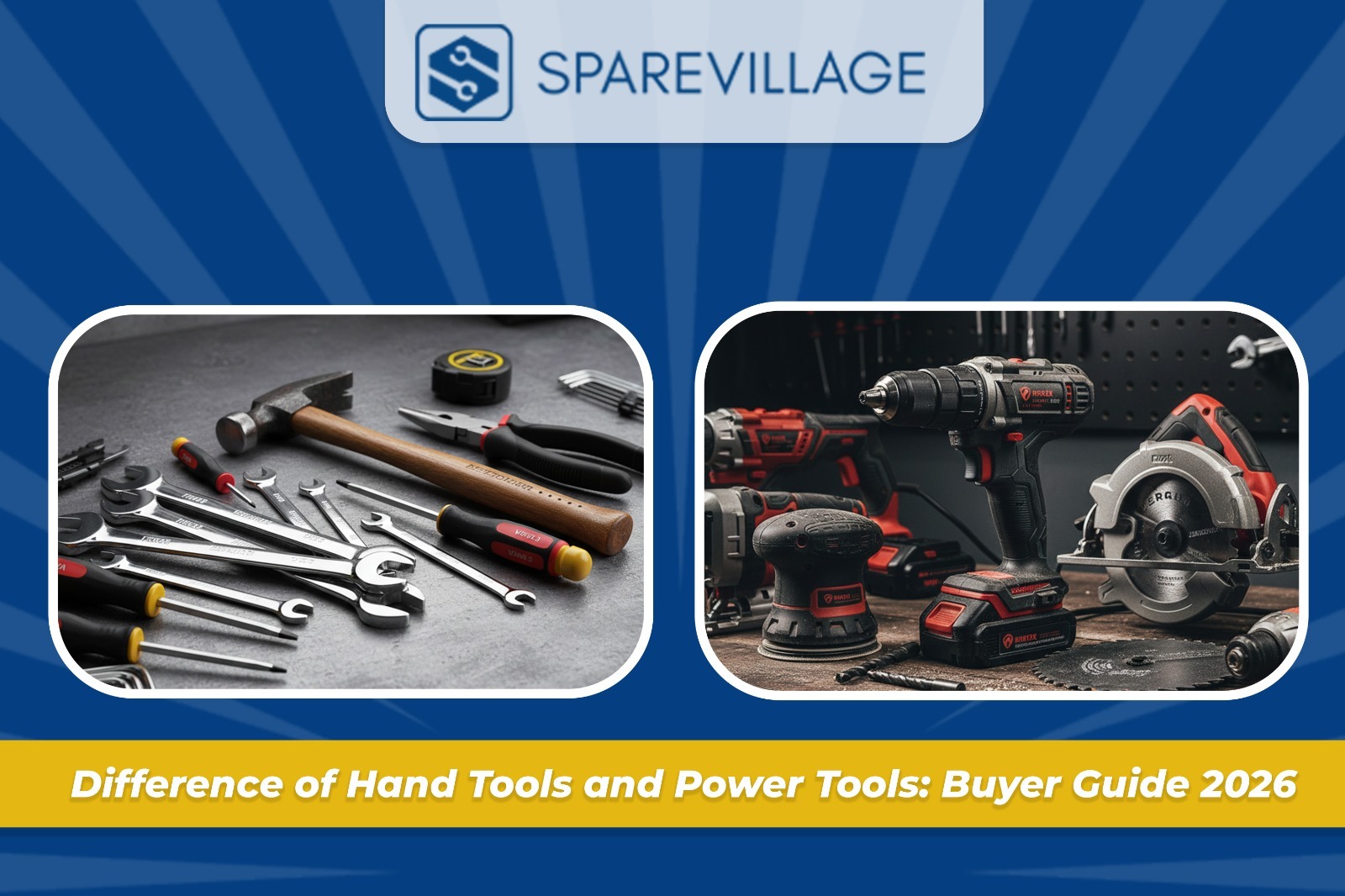
Difference of Hand Tools and Power Tools: Buyer Guide 2026
Understand the difference between hand tools and power tools with this complete buyer’s guide. Learn applications, advantages, safety, and cost insights to choose the right tools.
Article Content
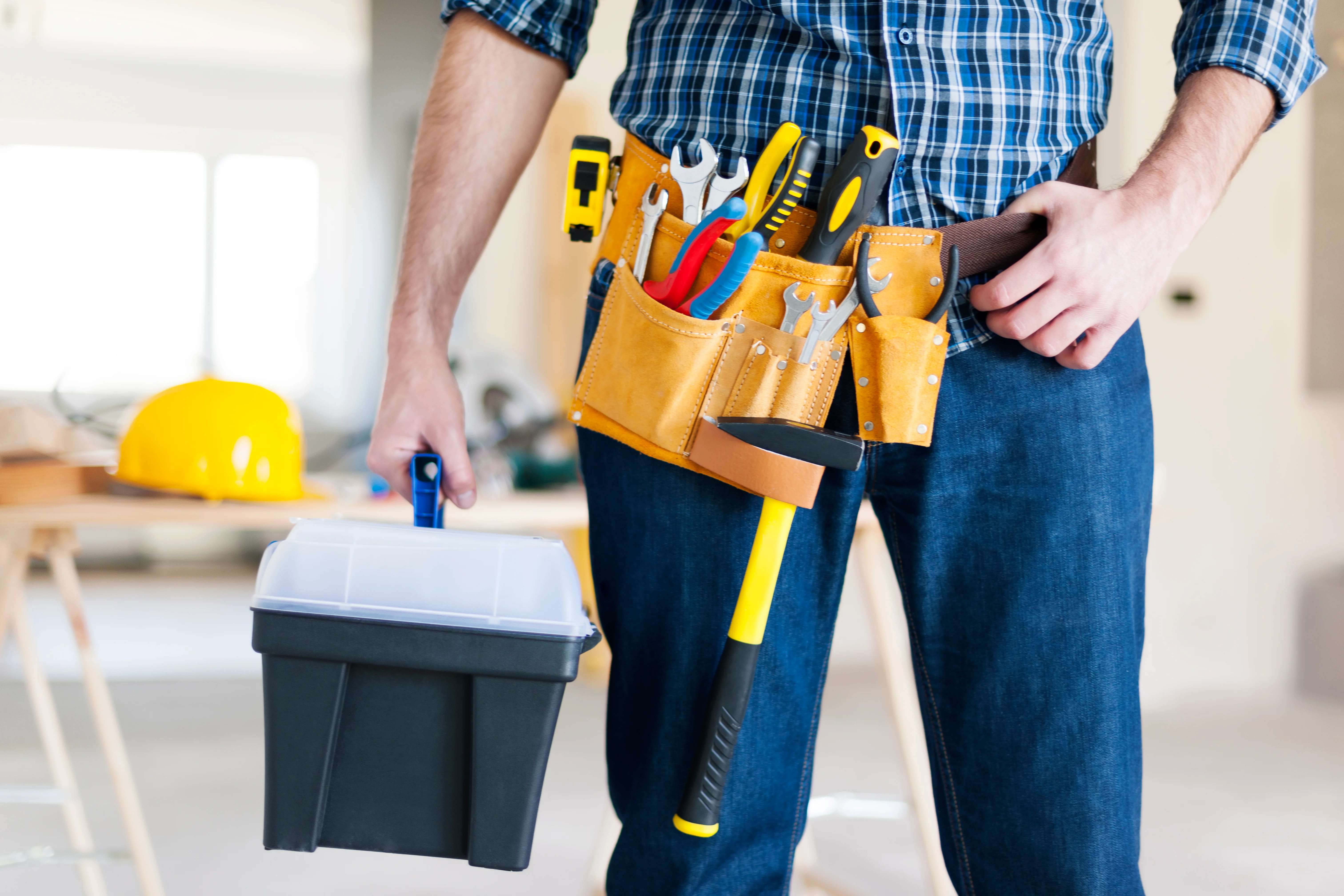
Hand tools and power tools are at the heart of every construction site, repair job, DIY project, and industrial workspace. Choosing the right one makes a real difference to quality, speed, and safety. While both are essential and often work best together, they vary widely in how they operate, how much effort they require, their cost, safety considerations, and where they are best used. Understanding these differences helps you pick the right tool for the job and work smarter, not harder.
Understanding the difference between hand tools and power tools helps buyers make informed purchasing decisions, improve productivity, and ensure workplace safety. This complete guide explains everything you need to know before buying tools for personal or professional use.
What Are Hand Tools?
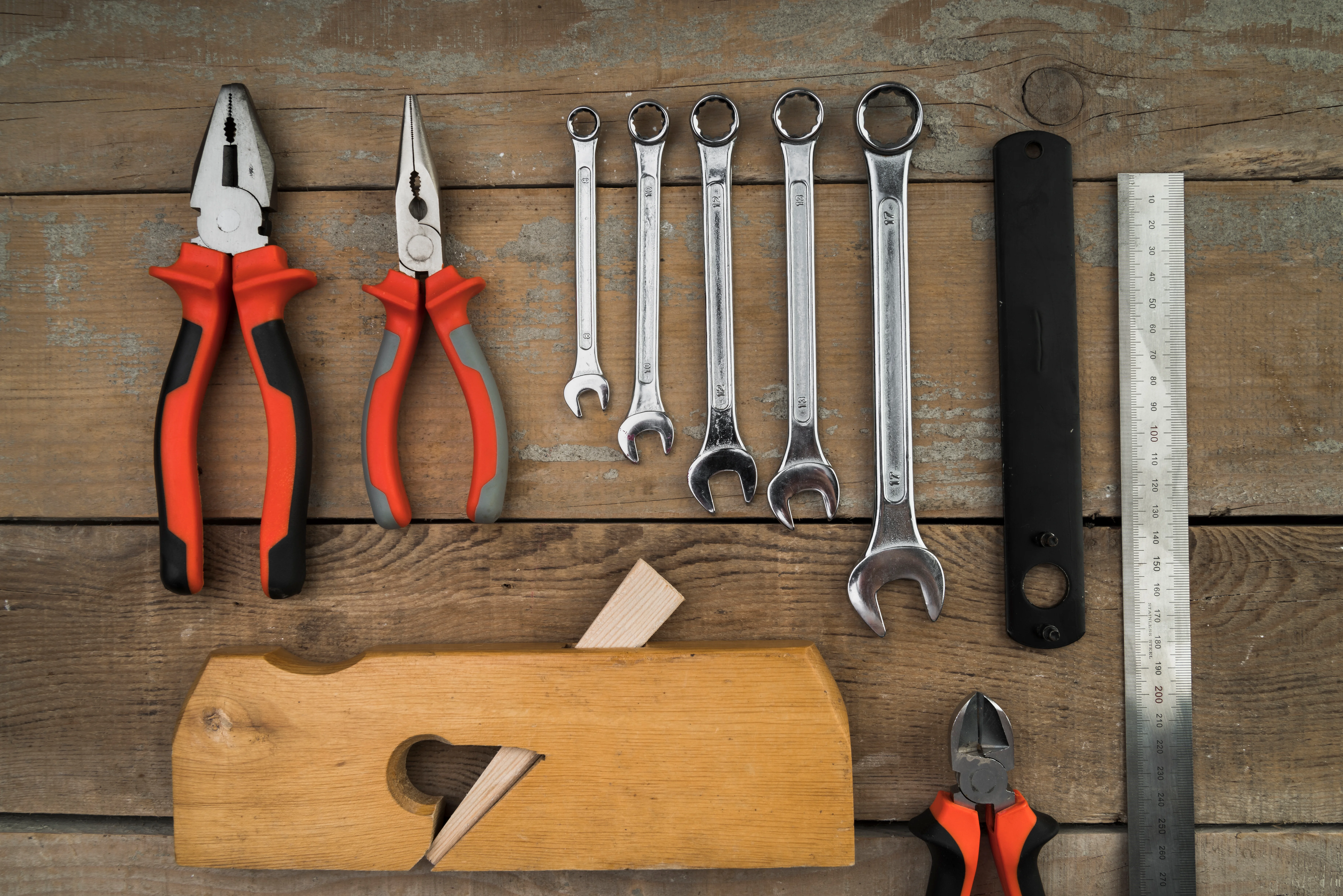
Hand tools are manually operated tools that don’t require electricity or batteries. They are popular for their simplicity, durability, and precision.
Examples of Common Hand Tools and Their Uses
- Hammers
Hammers are essential hand tools used for driving nails, breaking materials, and shaping metal or wood. They are commonly used in construction, carpentry, and home repair projects. Popular types include claw hammers, ball-peen hammers, and mallets.
- Wrenches
Wrenches are hand tools designed to tighten or loosen nuts and bolts. They are widely used in mechanical work, plumbing, and automotive repairs. Common types of wrenches include adjustable wrenches, combination wrenches, and socket wrenches.
- Screwdrivers
Screwdrivers are manual tools used to insert or remove screws. They are among the most frequently used hand tools in household and industrial applications. Common screwdriver types include flathead, Phillips, Torx, and precision screwdrivers.
- Pliers
Pliers are versatile hand tools used for gripping, twisting, bending, and cutting wires. They are essential in electrical work, mechanical repairs, and DIY tasks. Popular types include needle-nose pliers, slip-joint pliers, and locking pliers.
- Hand Saws
Hand saws are cutting tools used to cut wood, plastic, or metal by hand. They are commonly used in woodworking and construction. Examples include crosscut saws, hacksaws, and coping saws.
- Chisels
Chisels are sharp hand tools used for carving, shaping, and cutting hard materials such as wood, stone, or metal. They are widely used by carpenters, woodworkers, and sculptors. Common types include wood chisels and cold chisels.
- Measuring Tapes
Measuring tapes are precision hand tools used to measure length, width, height, or distance. They are essential in construction, tailoring, and home improvement projects. Measuring tapes help ensure accuracy and efficiency in any task.
Key benefits of hand tools:
- More Control and Precision
Hand tools provide greater control and accuracy because they are operated manually. This allows users to carefully adjust pressure, speed, and movement, making them ideal for detailed, delicate, and precision-based tasks. Carpenters, electricians, and craftsmen often prefer hand tools when accuracy is critical, such as measuring, fitting, or finishing work. The direct hand-to-tool contact helps reduce mistakes and material damage.
- Safer for Beginners
Hand tools are generally safer to use than power tools, especially for beginners or DIY users. Since they do not operate at high speeds or involve electrical components, the risk of serious injury is significantly lower. This makes hand tools an excellent choice for learners who are still developing their skills and confidence. With proper handling, hand tools allow beginners to work safely while understanding basic techniques.
- No Power Source Required
One of the biggest advantages of hand tools is that they do not require electricity, batteries, or fuel. This makes them extremely reliable and convenient, especially in outdoor locations, remote job sites, or during power outages. Users can work anywhere without worrying about charging batteries or finding power outlets, making hand tools perfect for mobility and emergency repairs.
- Long-Lasting and Low Maintenance
Hand tools are known for their durability and long lifespan. With simple maintenance such as cleaning, lubrication, and proper storage, hand tools can last for many years. Unlike power tools, they have no motors, wiring, or batteries that can fail, which keeps maintenance costs low. This makes hand tools a cost-effective investment for both professionals and homeowners.
These tools are essential for everyday tasks, detailed craftsmanship, and situations where accuracy matters the most.
What Are Power Tools?
Power tools are mechanical tools that operate using electricity, rechargeable batteries, or compressed air to perform a wide range of tasks with speed, strength, and efficiency. Unlike hand tools, which rely entirely on manual effort, power tools are engineered to reduce physical labor, increase productivity, and handle heavy-duty applications with consistent results. They are widely used in construction, manufacturing, automotive repair, woodworking, metalworking, and home improvement projects.
Examples of power tools:
- Drill Machines
Drill machines are versatile power tools used for drilling holes and driving screws into materials such as wood, metal, plastic, and concrete. They are widely used in construction, carpentry, electrical work, and home improvement projects. Drill machines come in corded and cordless models, offering flexibility for both light-duty and heavy-duty applications.
- Angle Grinders
Angle grinders are powerful cutting and grinding tools used to cut metal, tiles, concrete, and stone. They are also used for polishing, surface preparation, and removing rust or paint. Due to their high-speed rotating discs, angle grinders are essential in metal fabrication, construction, and repair work.
- Circular Saws
Circular saws are high-speed cutting tools designed for making straight and accurate cuts in wood, plywood, plastic, and metal sheets. They are commonly used in carpentry, woodworking, and construction projects. Circular saws provide efficiency, precision, and clean cuts for large materials.
- Impact Wrenches
Impact wrenches are high-torque power tools used to loosen or tighten nuts and bolts quickly. They are commonly used in automotive repair, machinery maintenance, and industrial applications. Impact wrenches reduce manual effort and are ideal for handling stubborn or rusted fasteners.
- Sanders
Sanders are power tools used for smoothing, shaping, and finishing surfaces. They are commonly used on wood, metal, and painted surfaces to remove imperfections. Types of sanders include orbital sanders, belt sanders, and detail sanders, making them ideal for woodworking and finishing tasks.
- Heat Guns
Heat guns are power tools that produce controlled hot air for applications such as paint removal, plastic bending, shrink wrapping, and loosening adhesives. They are widely used in construction, electrical work, crafting, and repair jobs. Heat guns offer adjustable temperature settings for precise control.
Why professionals love power tools:
- High Speed and Efficiency
Power tools operate at high speeds, allowing professionals to complete tasks much faster than with hand tools. Whether drilling, cutting, grinding, or fastening, power tools deliver consistent performance and precision. This high efficiency helps professionals meet tight deadlines and handle large workloads without compromising quality.
- Saves Time and Effort
One of the biggest reasons professionals choose power tools is that they significantly reduce physical effort. Tasks that require hours of manual labor can be completed in a fraction of the time using power tools. This not only increases productivity but also minimizes fatigue, enabling workers to maintain performance throughout long workdays.
- Ideal for Repetitive or Tough Jobs
Power tools are specially designed for repetitive and demanding tasks, such as drilling multiple holes, cutting thick materials, or tightening large numbers of fasteners. Their ability to perform the same action repeatedly with consistent results makes them essential for construction sites, workshops, and industrial environments.
- Delivers High Power Output
Power tools are built to deliver high torque and power output, making them suitable for heavy-duty applications. They can easily handle tough materials like concrete, metal, and hardwood. This power ensures reliable performance even under challenging conditions, which is crucial for professional-grade work.
Power tools are a must-have for construction sites, metalwork, woodworking, and industrial applications.
Which Tools Should You Choose?
Your selection depends on the type of work you do:
Choose Hand Tools If:
- You need precision and manual control
- You are working on small repairs or home projects
- You want safe tools with minimal risk
- You don’t have access to electricity
Choose Power Tools If:
- You handle large projects
- Speed and productivity are important
- You work professionally in construction, metal, or wood
- You need power and efficiency
In most modern workshops, both tool types are used together for the best results.
Why Understanding the Difference Between Hand Tools and Power Tools Matters
Using the right tool can improve:
- Work efficiency
- Safety
- Accuracy
- Project completion time
- Product lifespan
Misusing tools can lead to accidents, poor finishing, and unnecessary effort. That’s why knowing the difference between hand tools and power tools helps users, especially beginners, make smarter choices.
Final Thoughts
Choosing between hand tools and power tools depends entirely on your skill level, project type, and working conditions. Both have their own advantages, and most professionals keep a combination of both for maximum efficiency. By clearly understanding the difference between hand tools and power tools, you can confidently select the right tools for your toolkit and achieve better results in every project.
FAQs: Difference Between Hand Tools and Power Tools
1. What is the main difference between hand tools and power tools?
Hand tools work manually without electricity, while power tools run using electricity, battery, or air pressure. Hand tools offer precision and control, whereas power tools provide higher speed and efficiency.
2. Which tools are better for beginner's hand tools or power tools?
Hand tools are usually better for beginners because they are safer, easier to control, and ideal for small DIY tasks. Power tools require some practice and proper safety precautions.
3. Are power tools faster than hand tools?
Yes, power tools are significantly faster than hand tools. They are designed to complete repetitive or heavy-duty tasks quickly, making them ideal for professional and industrial use.
4. Can hand tools replace power tools?
Not completely. Hand tools are perfect for accuracy and detailed work, but power tools are essential for large, time consuming, or tough jobs. Most professionals use a combination of both.
5. Are power tools more expensive than hand tools?
Yes, power tools generally cost more due to motors, batteries, and advanced features. Hand tools are more budget-friendly and require less maintenance.