Fix It Yourself: A DIY Guide to Unclogging Kitchen Sinks Efficiently
Unclog your kitchen sink like a pro with this easy DIY guide. SpareVillage shares smart tips for efficient fixes using industrial-grade tools.
Article Content
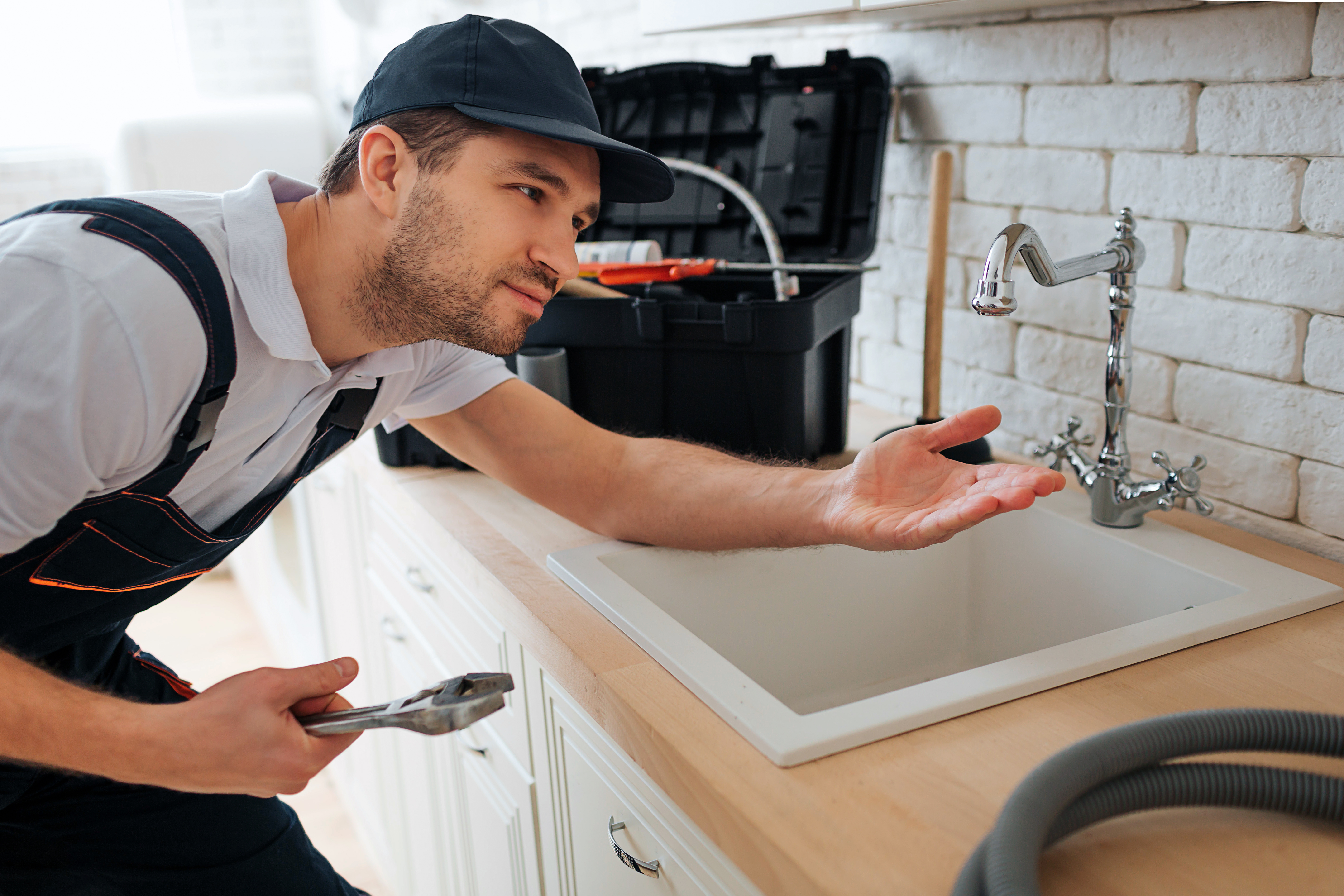
There’s nothing more frustrating than turning on the faucet to rinse your dishes and seeing murky water refusing to drain. Sink clogs aren’t just an occasional inconvenience for many homeowners, they’re a disruption. But what if you could tackle the issue yourself, without having to call a plumber every week?
Think of your sink like a throat, it swallows what you feed it. But if that’s grease, soap residue, or food particles, it eventually chokes. That’s your clog. And while it may seem like a job for the pros, there’s plenty you can do before dialing the plumber’s number.
Why Do Sink Clogs Happen So Often?
Sink clogs are more common than you think. Our busy routines mean we’re often careless about what goes down the drain. Leftover cooking grease, coffee grounds, vegetable scraps, and even small soap particles can cling to pipe walls. Over time, they build up like cholesterol in arteries. It doesn’t help that modern sinks with slim drain designs clog up faster than older, wider models.
Aside from being an annoyance, clogs can cause a chain reaction of problems. Sluggish drains slow down kitchen work, cause unpleasant smells, and increase your reliance on harsh chemical cleaners. Worse, standing water becomes a breeding ground for bacteria, especially in commercial kitchens or high-traffic homes.
Tools You Should Have at Home
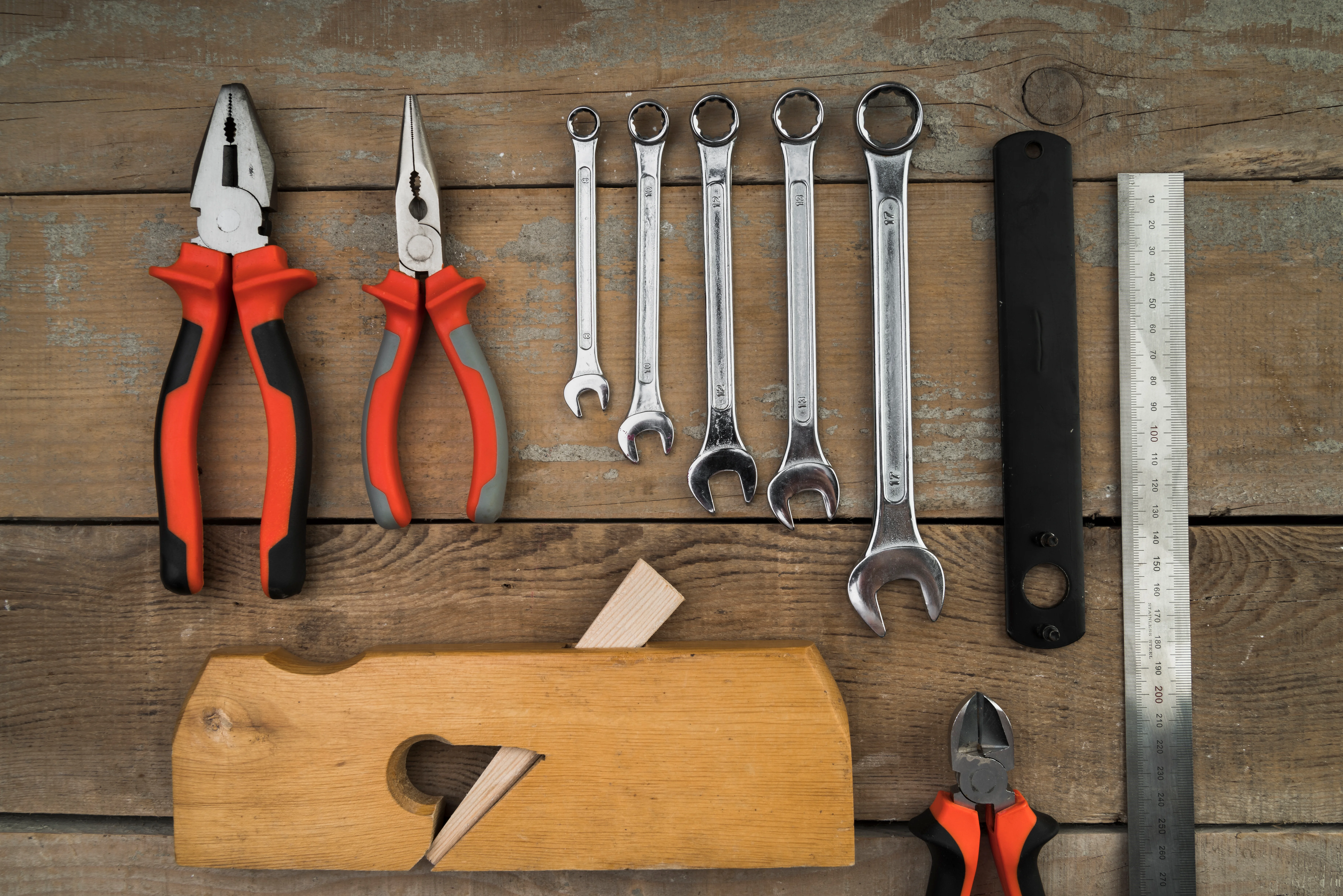
Before you think DIY is out of your league, know this: even a college student can handle most sink clogs with the right tools. All you really need is a plunger, a basic drain snake, a wrench, and a bit of elbow grease. With a few household ingredients like baking soda and vinegar, you’re well-equipped to handle most blockages.
The Science Behind Sink Blockages
Blockages are about chemistry and physics. When hot fats cool down, they solidify inside pipes. Soap reacts with minerals in water to form scum. Combine that with food scraps, and you’ve got a sticky mess that narrows the pipe passage. These materials adhere to pipe walls and snowball into bigger issues.
Easy Fixes That Actually Work
Boiling Water Method
This is the simplest trick in the book. Boiling water dissolves grease and breaks down soap residue. Just pour a kettle’s worth slowly into the drain. If needed, repeat after a few minutes. Avoid using this method on PVC pipes, though, it might soften them with prolonged exposure.
The Vinegar and Baking Soda Combo
This fizzy reaction is more than science-fair magic. Pour half a cup of baking soda into the drain, then a cup of vinegar. Cover the drain to trap the bubbles and wait 15 minutes. Flush it out with hot water. It’s natural, affordable, and safe for all types of plumbing.
The Mighty Plunger
Don’t underestimate the power of suction. A cup-style plunger is your best bet for sinks. Fill the basin with enough water to cover the plunger head, seal it over the drain, and give it a good 10 to 15 plunges. You’ll often hear the satisfying gurgle of success.
Easy Fixes That Actually Work
Boiling Water Method
This is the simplest trick in the book. Boiling water dissolves grease and breaks down soap residue. Just pour a kettle’s worth slowly into the drain. If needed, repeat after a few minutes. Avoid using this method on PVC pipes, though, it might soften them with prolonged exposure.
The Vinegar and Baking Soda Combo
This fizzy reaction is more than science-fair magic. Pour half a cup of baking soda into the drain, then a cup of vinegar. Cover the drain to trap the bubbles and wait 15 minutes. Flush it out with hot water. It’s natural, affordable, and safe for all types of plumbing.
The Mighty Plunger
Don’t underestimate the power of suction. A cup-style plunger is your best bet for sinks. Fill the basin with enough water to cover the plunger head, seal it over the drain, and give it a good 10 to 15 plunges. You’ll often hear the satisfying gurgle of success.
Preventative Care Tips
- What Not to Pour Down Your Sink
Prevention beats cure. Avoid pouring grease, coffee grounds, starchy foods (like pasta or rice), and fibrous veggies like celery down the drain. Even if they seem small, they contribute to long-term buildup.
- Regular Maintenance Rituals
Make it a habit to pour boiling water down your sink weekly. Use enzyme-based cleaners monthly. If your household sees heavy usage, think large families or commercial use, consider snaking the drains every few months.
Pros and Cons of Commercial Drain Cleaners
Chemical cleaners can be a quick fix, but not a harmless one. They generate heat that can crack old pipes and are toxic if mixed with other substances. They also harm septic systems and the environment. Use them as a last resort, and always follow safety guidelines.
When to Wave the White Flag and Call a Plumber
Sometimes, DIY just doesn’t cut it. If you’ve tried everything and the sink still backs up, it could be a clog in the main line. Signs include water backing up in other drains, strange gurgling sounds, or recurring clogs despite regular cleaning. That’s your cue to call in the experts.
Investing in Commercial-Grade Tools
Businesses that rely on heavy water use, restaurants, canteens, workshops, can’t afford downtime due to clogged drains. That’s where commercial-grade tools come in. These tools are built tougher, last longer, and deliver results quickly. Whether you're a facility manager or a B2B supplier, investing in the right drain cleaning gear ensures smoother operations and fewer emergency calls.
Conclusion
A sink clog may feel like a ticking time bomb, but it doesn’t have to be. From simple fixes like boiling water to more intensive solutions like dismantling the P-trap or vacuuming out blockages, most sink issues can be resolved without professional help. It’s all about understanding the problem, having the right tools, and knowing when to take action.
At SpareVillage, we empower homeowners and professionals alike with high-quality, commercial-grade plumbing tools designed to tackle the toughest drain problems, reliably and affordably.